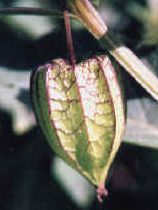
Bracken Fern
Found in moist shaded gullies most people see these plants as a pest or in fact as a poor soil indicator however you can boil the young undeveloped fronds which has an asparagus like taste although prolonged consumption is thought to cause cancer. The sap from the stems of young ferns were used to relieve insect stings – applied direct to the affected area.
Bush Raisin
Also known as a Native Currant this shrub grows in central Australia produces a food crop shortly after rain. It also sprouts again after bushfire burn-out. The bunches of green berries turn black when ripe and can only be eaten in small quantities as they can cause a rash on the mouth. The leaves are sweet and edible.
Conkerberry
Sometimes called a bush plum this bush thrives in sandy soils in the Top End and northern Queensland. Small sweet oval fruit are produced from May to August and can be eaten raw. The bark was soaked in water to make a medicinal wash.
Cunjevoi
Looks like a lily and can usually be found on water courses in rainforests. The sticky sap from the stems was used to relieve the sting from the Giant Stinging Tree and you will often find the two plants near each other. The starchy roots can be eaten but only after extensive preparation as it is extremely poisonous.
Emu Berry
Native to the the area from the Kimberley across Kakadu, Arnhem Land, the Gulf country, Cape York and down to the Tropic of Capricorn this bush looks like a big weed. From April to September groups of berries grow along its stems. The entire plant is crushed and boiled, the resulting broth used to relieve colds, flu, diarrhoea and to bathe sore eyes.
Emu Poison Bush
Occurs naturally in the deserts of the Outback, to about 2.5 metres and is extremely poisonous. A broth was made from the leaves and was then deposited in the water holes of emus. The bird could still be eaten after cooking but the water would remain poisonous for weeks.
Giant Emu Berry
Can be found from Darwin to Adelaide River as well as parts of Cape York and central Queensland. Lovely bright apple green colour leaves and a berry-like fruit which turn dark purple-red when ripe. The stone is inedible but the berries can be eaten raw and taste like green apples!
Giant Stinging Tree
Occurs in Cape York but can be found in rainforests along the east coast. It has lovely heart shape leaves which are very inviting to touch BUT inflict a severe sting. It fruits at various times of the year and although the purplish red fruit is edible the cost of obtaining them is too great!
Great Morinda
Native to the coastline in tropical areas, the leaves and the fruit are edible raw or cooked. It is also known as cheese fruit because of its rancid cheese aroma. Inhaling the scent of crushed young leaves and fruit is good for coughs, colds and flu.
Lolly Bush
Usually found in arid zones across Northern Territory, Queensland and into northern South Australia and western New South Wales it was seen as an indicator of water because it does well with a permanent supply of water. The main root has a starchy taste and was dug up, roasted and eaten. Dried sticks are good for friction fire lighting
Mangrove Fern
Thrives along creek beds and waterways that feed the mangroves. The black underground roots are poisonous unless extensively prepared so were a last option for eating.
Mistletoe
Parasitic, this shrub can be found growing on the trunk and branches of wattle and eucalypt trees. They can be found in all dry zones and even in the suburbs of Adelaide. It produces a berry which is extremely sticky but sweet. It is virtually impossible to spit out the seed.
Native Gooseberry
Can be found growing along the coast and river banks to about 1.5 metres. It produces a berry which is encased in a capsule which dries when the berry is ripe. You can eat the berries if the birds leave any.
Native Kapok Bush
Native from the Kimberley to the Cobourg Peninsula, the roots of the younger trees were roasted over hot coals and eaten. The bush grows to 5 to 6 metres and produces a yellow flower. The yellow petals were eaten. The trunks inner bark can be fashioned into bush twine. Yougn dried out stems make fire sticks.
Native Rock Fig
This wild fig occurs naturally over a large area of the country. The fruit are edible raw and have a slight sweet taste. Dried figs were ground into a paste to eat. The bush grows on rocky outcrops near permanent water.
Ragah
Found in the Top End as well as the subtropical parts of New South Wales, this white raisin looks like a weed similar to lantana. White berries are produced in the wet season which can be eaten raw and have a high water content.
Ruby Saltbush
Like Old Man Saltbush (favoured for its leaves as seasoning) Ruby Saltbush thrives in arid zones usually in the shade of large trees. It produces red berries which are juicy and sweet. The leaves can be boiled and served as a vegetable.
Sandpaper Fig
Found across the northern coastline, this bush grows to 2 metres. It fruits from April to September . The jet black fruit can be eaten raw. The leaves are rough like sandpaper and were used to smooth wooden spears.
Wild Ginger
Native Ginger is found in tropical rainforest areas. At the base of the plant are the young tips of an underground stem which appear from November to April. The plant produces edible blue berries which can be eaten raw. The tips (which grow to 10cm) contain a seedy pulp which tastes like fruit salad. The seeds are crushed and used as a spice. You can use the leaves to wrap food prior to cooking.
Wild Orange
Grows in red sandy soil to about 1.5 metres near flood plains and creek beds, mostly around Alice Springs and Uluru. From November to May it produces green fruit which turns yellow when ripe and splits to reveal little black seeds. The fruit is edible and tastes like mango.
Wild Raspberry
The Australian wild raspberries are small to medium prickly shrubs. Found beside creeks and tracks in sunlit rainforest areas, the 2-3 metre high bush produces 10mm edible sweet red berries from June to October.
The sweet red berries can be gathered and eaten raw. Great for jam. You can also use the leaves to make tea which is said to be good for diarrhoea.
Raspberry Dessert
- 2 cups wild raspberries
- 3 tablespoons sugar
- 1 cup apple juice
- 1 tablespoon Potato Flour
Put berries , sugar and most of the Apple juice in a saucepan and bring to the boil. Boil for about 2 minutes and add Potato flour that has been mixed with the reserved Apple juice . Cook until thick and place on individual serving plates and chill.
Wild Tomato
This is one of a number of plants in the Solanum species and this one is poisonous. This has a small purple flower amongst the fine sharp thorns and tomato-like fruit.
Witchetty Bush
In central Australia the roots of this bush harbour the tasty witchetty grub. The roots that contain the grub bulge in a distinctive manner. The seeds of the bush were ground into flour and then cooked.

 Bush Tucker Recipes at the Aussie table