
Green Tree Ants are found in tropical Australia.
These ants form colonies with multiple nests in trees, each nest being made of leaves stitched together using the silk produced by the ant larvae.
Green Tree Ants are edible, bursting with a lemon flavouring which creates a uniquely foodie experience.
Freeze Dried Green Tree Ants (Oecophylla smaragdina)
- 10gm freeze dried = 40gm fresh
- 25gm freeze dried = 100 gm fresh
- 50gm freeze dried = 200gm fresh
- 100gm freeze dried = 400gm fresh
Green Tree ants are taking the culinary world by storm with their incomparably bold and distinctive citrusy-sherbet-bomb taste.
Add to chocolate, dukkah, jams, gins, marmalade, syrups – let your imagination run wild
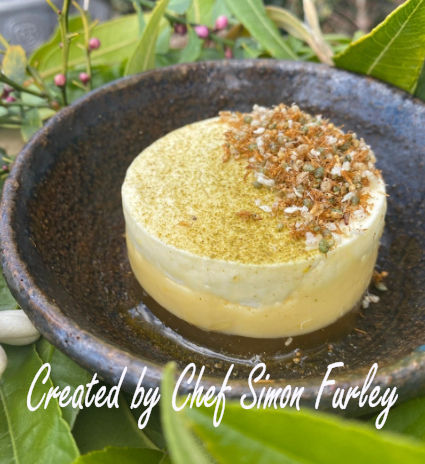
Bush lemon and mandarin jelly, Victoria sponge, sweet creme fraiche, citrus custard, finger lime, lemon myrtle and green ants.
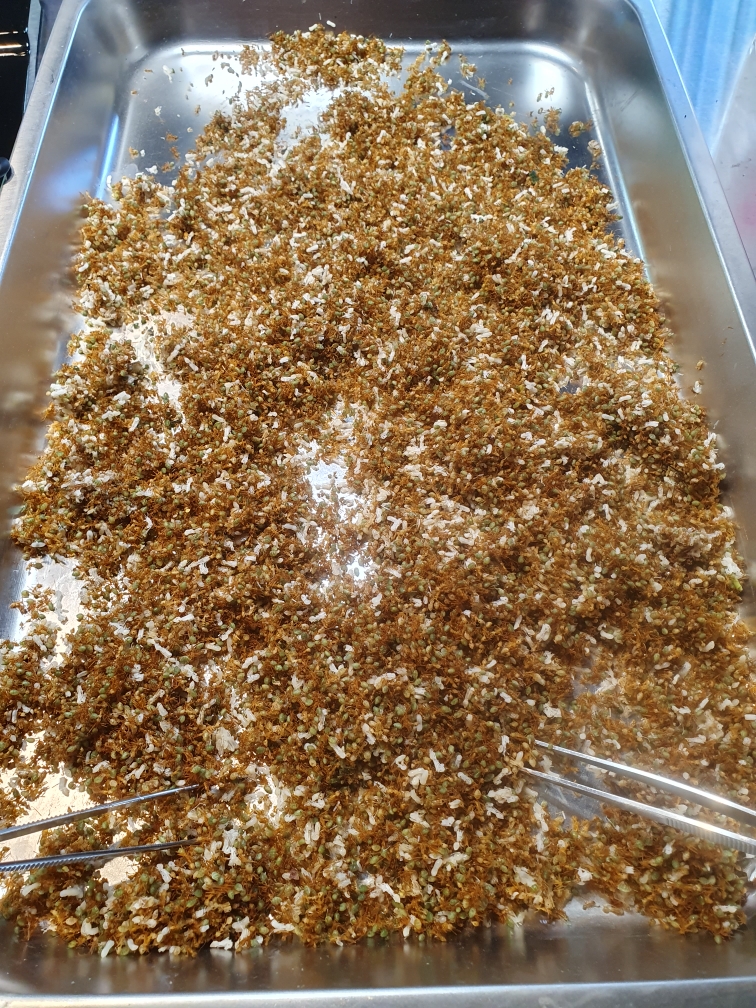
Green Tree Ants are wild caught (easier than it sounds!), hand-sorted to remove leaf nest debris and silk, frozen and then freeze dried. The freeze-dried ants have a unique citrusy, tangy and slightly spicy flavour and are highly nutritious, containing ~% 50 crude protein.
The freeze-drying process removes ~ 98% of the water content of the ants and is ideal for retaining their flavour, nutritional content, and shape.
Freeze-dried Green Tree Ants are easily rehydrated in warm water and quickly regain a similar appearance to freshly caught ants.
Green Tree Ants construct their homes high up in trees of northern Australia. They create nesting chambers from leaves which are pulled together through the cooperation of many worker ants.
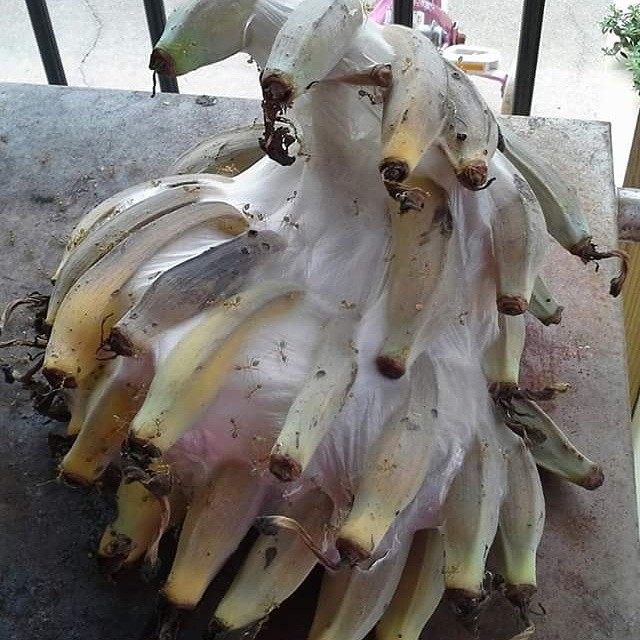
They are quite aggressive to perceived threats and have a fierce painful bite. To add to the pain, they squirt acid from their abdomen into the bite site.
Typically a Green Tree Ant nest comprises a mixture of a large queen, adult workers and immature larvae (workers and sometimes alates) which are white.
There is no way of separating them in the processing.
There are also occasionally small pea sized clumps of white eggs present.
PLEASE NOTE:
The ants don’t weave nests in the wet season. Everything needs to dry out and cool down as it usually does in May. Of course an extended wet can delay the availability. Demand is high for these and supply is short due to the perilous nature of harvesting them.

 Bush Tucker Recipes at the Aussie table
You must be logged in to post a comment.